
Gale Wilkinson, Managing Partner at VITALIZE
Gale Wilkinson, Managing Partner at VITALIZE, discussing the freelance economy from a venture capital point of view.
 Matthew Mottola
Get this in your inbox every week. Join 26,000+ subscribers.
Subscribe →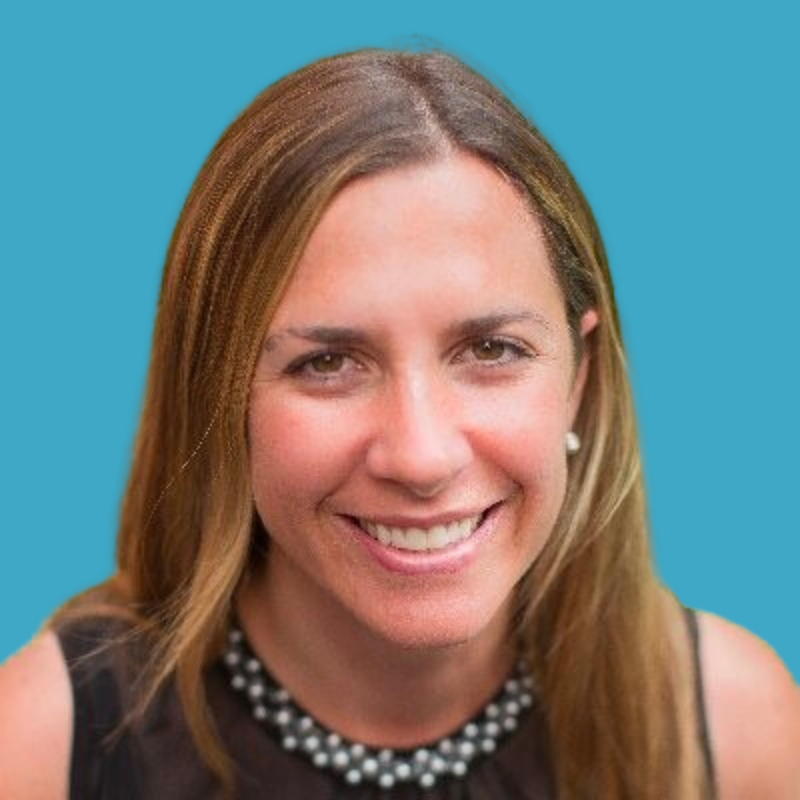
Expert Insights
Gale Wilkinson
Managing Partner
VITALIZE
STAY UpdateD
Insights on the people, events, and technologies driving our industry.
Leaders, are we really grown up enough to be a venture backable space? According to Gale, absolutely, as her fund is focused on the future of work, and invests in a number of freelance economy startups each year.
We’ll talk about what the venture space looks like for the freelance economy, how she sees the freelance economy in the future (hint…2 to 3x growth), and how freelance models can be well positioned for venture capital (hint…not ALL companies should be venture backed, and that’s a good thing).
A couple themes you need to know asap…
- The freelance economy will never be one large marketplace because it’s an industry of people, nuance, and intricate user experiences
- The freelance economy is a natural societal evolution of what people want out of work and what technology now allows for
- Consulting can be a lucrative business on it’s own without venture capital
Our Favorite Quotes
How does Gale define the freelance economy?
- “I think a freelance it is or I think freelance creators, 1099 contractors, they are similar, it’s not the same. But these are all individuals that are working for themselves, in some way, shape, or form.”
Where does Gale see the freelance economy going?
- I think it’s going to double or triple. What we have happening, the aging out of the boomers, and they weren’t as interested in freelance as some of the other generations. Generation X, some like freelancing, some don’t. Millennials and Gen Z, you have a much bigger appetite for freelancing in general, because there is a comfort with ambiguity, there’s a comfort with technology, there’s a comfort with doing things that are a little bit risky because of how those generations grew up. So purely from generational effects, we’re going to double or triple. There are economic impacts on top of that, where the switching costs are pretty much zero for employees to leave companies. So we’re going to see a ton of switching within larger companies. Also we saw in the pandemic, and we’re continuing to see people testing it out, like let me try some freelancing on the side. I’m going to build my book of business. And eventually I’m going to jump ship. So we have people right now building their book. I just had lunch with one.
Why does Gale invest in the freelance economy?
- “Any sort of technology that helps these individuals do their jobs. It could be lead gen, how do they find hiring managers, how do they actually pay them? It could be on the business side invoicing, project management, keeping track of all of the things that all the different projects are working on, doing taxes at the quarterly and annual basis. It could be things like insurance, how does the Freelancer think about the retirement plan? So there are so many components and elements that a freelancer has to think of that are typically handled by an employer.”
Where is the freelance economy today?
- “I mean, from a specific use case perspective, there are so many different solutions that we need. And that will become even more pronounced as the space gets larger and larger. Now, there could be opportunities to roll some of this stuff up in a very smart, and once again, elegant way. But I don’t think we’re there yet. Actually, this is still the fairly new part of the market, which I think it makes it really fun, right? Like, we’re trying to really assess what exactly is needed here?
What’s wrong with the freelance economy today?
- “The other thing I will say is that I really look for elegant product solutions, I still think in the future of work more broadly speaking, and also within the freelance space, a lot of the user experience and user interface isn’t great. And I think that’s a real problem for both sides of the marketplace.”

Freelance Terminal
Take competitive intelligence to the next level
Your exact insight is just a click away. We use AI to aggregate, synthesize, and deliver custom insights for your unique need.
Learn Morefellow experts
Robert Smith, Founder & CEO at Dazzle
Read More »
Taylor Crane, Founder at Fractional Jobs
Read More »
Melissa Valentine, Associate Professor at Stanford & Author of Flash Teams
Read More »
Glenn Laumeister, CEO at AllWork
Read More »
Emre Ertan, Co-Founder & Co-CEO at Cenoa
Read More »subscribe to Human Cloud Insights
Get insights like this every week
Join 26,000+ leaders staying ahead of the flexible talent market.
Subscribe Now →Related Articles
Ben Ross, Product Leader
Ben Ross is a Product SME building freelance technologies for over 10 years.
Nuri Demirci Lopez Principal PM at Microsoft, Author, and Professor
TRANSCRIPT Nuri Demirci Lopez Principal PM at Microsoft, Author, and Professor LinkedIn Email Twitter Print Subscribe to Human Cloud Podcast Leaders, Freelancing is no longer
Liza Rodewald, Founder & CEO of Instant Teams
TRANSCRIPT Liza Rodewald, Founder & CEO of Instant Teams LinkedIn Email Twitter Print Subscribe to Human Cloud Podcast Leaders, What if I told you there